
The Importance of Play in Early Childhood Development
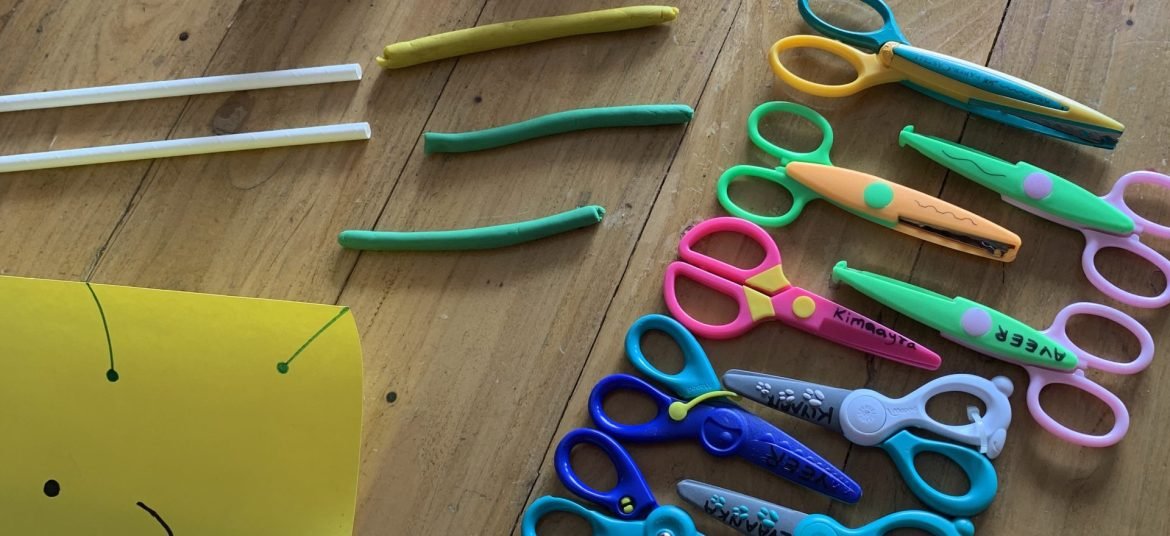
Play is a fundamental part of childhood that plays a crucial role in shaping a child’s cognitive, emotional, social, and physical development. Recognized by educators and psychologists alike, play is not just a recreational activity; it is a core aspect of learning and growth. Understanding the importance of play in early childhood development can help parents, caregivers, and educators foster environments that encourage meaningful play experiences.
What Is the Importance of Role Play in Early Childhood?
Role play, a type of imaginative play, is essential in early childhood because it allows children to explore different roles and scenarios in a safe and controlled environment. When children engage in role play, they practice real-life situations such as caring for others, solving problems, and navigating social interactions. This type of play nurtures empathy, communication, and problem-solving skills, all of which are vital for personal and social development.
Role play also helps children understand the world around them. For instance, playing “doctor” or “teacher” gives them a glimpse into those professions and what responsibilities come with them. By engaging in these imaginative scenarios, children develop their creativity, emotional regulation, and ability to cooperate with others.
What Are the 10 Benefits of Play?
Play is essential for children’s overall development and offers a wide range of benefits, including:
- Cognitive Development – Play encourages problem-solving, critical thinking, and decision-making skills.
- Social Skills – Through play, children learn to share, take turns, and cooperate with peers.
- Emotional Regulation – Play helps children express and manage their emotions in a healthy way.
- Language Development – Engaging in pretend play and storytelling enhances vocabulary and communication skills.
- Physical Development – Active play promotes gross and fine motor skills and overall physical health.
- Creativity – Play nurtures creativity by encouraging children to use their imagination.
- Resilience – Through play, children learn to handle challenges and setbacks.
- Self-Esteem – Successfully navigating play scenarios boosts confidence.
- Cultural Understanding – Play exposes children to different cultures and traditions.
- Mental Well-being – Play reduces stress and promotes overall mental health.
Why Is Play Important in Early Childhood?
Play is one of the most effective ways for children to learn. During the early years, children’s brains are developing at a rapid pace, and play provides the perfect medium for that growth. Play fosters curiosity, exploration, and experimentation, all of which are critical for learning and discovery.
From a developmental perspective, play promotes skills that children need to succeed in life. It teaches cooperation, empathy, and social norms, which are essential for building relationships. Play also strengthens cognitive functions by enhancing memory, attention, and problem-solving abilities.
Additionally, play helps children manage their emotions and develop resilience. It allows them to process their experiences and make sense of the world. Through play, children learn to navigate complex social environments and build coping mechanisms that will serve them well into adulthood.
What Is the Play Theory in Early Childhood?
Play theory in early childhood revolves around the idea that play is a natural and necessary part of a child’s development. Several theorists have contributed to our understanding of play:
- Jean Piaget – Piaget believed that play is essential for cognitive development and that children use play to make sense of the world.
- Lev Vygotsky – Vygotsky emphasized the social aspect of play, suggesting that it helps children learn through interactions with others.
- Friedrich Froebel – Known as the father of kindergarten, Froebel believed that play is the foundation of learning and should be integrated into early education.
These theories highlight the critical role that play serves in fostering a child’s development. Play is not just a way for children to pass the time; it is a fundamental way they learn about themselves and their surroundings.
Why Is Play Important for Developing Intelligence in Early Childhood?
Play directly contributes to the development of intelligence in early childhood. When children engage in play, they are actively involved in exploring and learning, which enhances their cognitive abilities. Problem-solving, memory, and critical thinking skills are developed through different types of play.
For example, building blocks help children understand spatial relationships and cause-and-effect concepts. Puzzle games encourage logical thinking and pattern recognition. Even simple games like hide-and-seek teach children about object permanence and spatial awareness.
Moreover, play encourages creativity, which is linked to intelligence. Children who engage in imaginative play are more likely to think outside the box and develop innovative solutions to problems.
What Are the 12 Features of Play?
According to play theorists, play has several key features that distinguish it from other activities. The 12 features of play include:
- Voluntary – Play is self-chosen and self-directed.
- Pleasurable – It brings joy and is intrinsically motivating.
- Symbolic – Play often involves using objects or actions to represent something else.
- Active – It requires mental and physical engagement.
- Process-Oriented – The focus is on the process, not the outcome.
- Spontaneous – Play is often unplanned and happens in the moment.
- Non-Literal – It involves imagination and creativity.
- Rule-Governed – Some forms of play involve creating or following rules.
- Social – Play often involves interactions with others.
- Risk-Free – It provides a safe space to explore new ideas and behaviors.
- Engaging – Play captures and maintains a child’s attention.
- Exploratory – It encourages curiosity and discovery.
How Can Play Help a Child?
Play helps a child develop in several key areas:
- Emotional Development – Play allows children to express their feelings and learn to regulate them.
- Social Skills – It teaches children how to interact with others, share, and resolve conflicts.
- Physical Skills – Play improves motor skills, balance, and coordination.
- Cognitive Skills – Play enhances memory, attention, and problem-solving abilities.
- Language Skills – Play encourages communication and vocabulary development.
Through play, children learn valuable life skills that will help them navigate challenges and succeed in various environments.
What Are Five Benefits of Fair Play?
Fair play is an important concept that teaches children to respect others and follow rules. The five key benefits of fair play include:
- Respect for Others – Children learn to value and respect their peers.
- Understanding Rules – Fair play teaches the importance of rules and following them.
- Conflict Resolution – Children learn to resolve disputes amicably.
- Teamwork – Fair play promotes collaboration and working towards a common goal.
- Empathy – It fosters empathy by encouraging children to consider the feelings and perspectives of others.
In conclusion, the importance of play in early childhood development cannot be overstated. Play is a powerful tool that shapes children’s cognitive, emotional, and social skills. It helps them explore the world, learn new concepts, and build meaningful relationships. By fostering environments that encourage play, we can ensure that children develop into well-rounded individuals with the skills they need to succeed in life.