
Tips for Handling Separation Anxiety in Toddlers
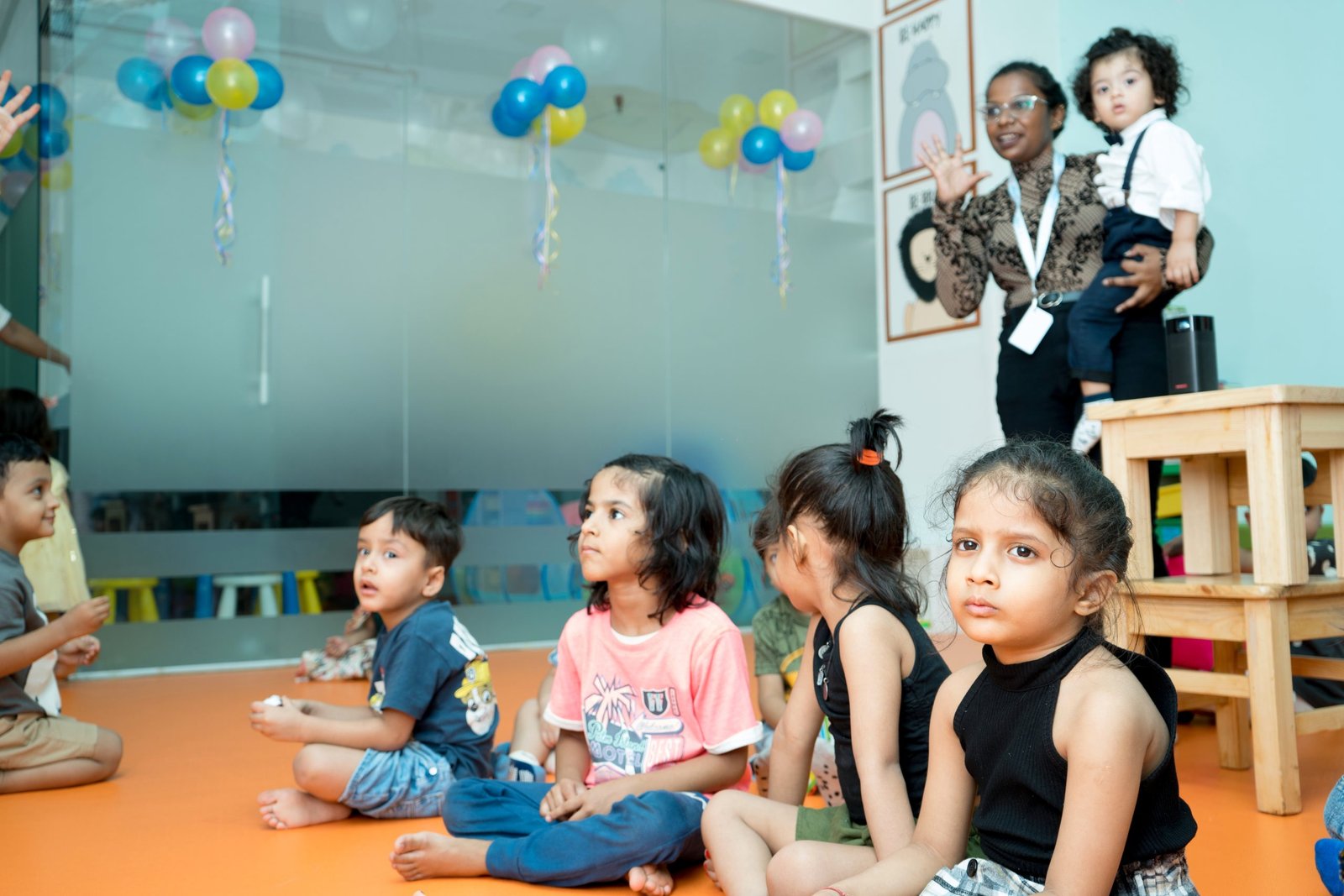
Separation anxiety is a common and natural part of early childhood development. It typically occurs when a child becomes distressed at the prospect of being separated from their parents or primary caregivers. While this phase is a sign of healthy attachment, it can be challenging for both toddlers and their parents. Understanding how to manage separation anxiety in toddlers can help ease the transition and reduce stress for everyone involved. In this article, we’ll explore practical tips for dealing with a toddler’s separation anxiety and how to recognize the signs that your child may be experiencing it.
How to Deal with a Toddler’s Separation Anxiety
Dealing with separation anxiety in toddlers requires a gentle and patient approach. Here are some effective strategies to help your child feel more secure and comfortable during times of separation:
1. Establish a Consistent Routine
Routine is crucial in helping toddlers feel secure and confident. When children know what to expect, it reduces their anxiety and helps them adjust to separations more easily. Establishing a consistent routine for goodbyes and reunions can provide your child with the predictability they need. For example, you might create a special goodbye ritual, such as a hug, a kiss, and a wave from the window. This routine signals to your toddler that you will return, helping to ease their anxiety.
2. Practice Short Separations
Gradually introducing your child to short separations can help them become more comfortable with the idea of being apart from you. Start by leaving your toddler with a trusted caregiver for a short period while you run an errand or take a brief walk. Over time, you can gradually increase the length of these separations. This practice helps your child build trust and confidence in the idea that you will always come back.
3. Stay Calm and Positive
Your child takes cues from your behavior, so it’s important to stay calm and positive when dealing with separation anxiety in toddlers. If you appear anxious or upset, your child may pick up on these emotions and become more distressed. Instead, maintain a cheerful and reassuring demeanor during drop-offs and pick-ups. This positive attitude can help your child feel more secure and confident.
4. Create a Comfort Object
Providing your child with a comfort object, such as a favorite stuffed animal or blanket, can help them feel more secure during times of separation. These comfort objects serve as a reminder of home and can provide a sense of familiarity and safety when you’re not around. Encourage your child to bring their comfort object to daycare or with a babysitter to help ease their anxiety.
5. Communicate Clearly and Reassure Your Child
Clear and honest communication is key when managing separation anxiety in toddlers. Let your child know when you’re leaving, where you’re going, and when you’ll be back. Avoid sneaking away, as this can lead to greater anxiety and mistrust. Instead, reassure your child that you will return and that they are safe in the care of a trusted adult. Even if your child is too young to fully understand your words, the tone of your voice and the consistency of your actions will provide comfort.
6. Use Transitional Activities
Transitional activities can help ease the transition from being with you to being with a caregiver. For example, before leaving your child at daycare, you might spend a few minutes engaging in a favorite activity together, such as reading a book or playing with a toy. This shared activity helps your child feel connected to you and provides a positive start to the separation.
7. Gradual Goodbyes
If possible, practice gradual goodbyes, especially in new environments like daycare or a babysitter’s home. Spend some time with your child in the new setting before leaving, allowing them to explore and get comfortable. Once they seem more at ease, say goodbye and leave. Gradual goodbyes can help your child adjust to new situations and reduce anxiety.
8. Reinforce Independence
Encouraging your child’s independence can also help reduce separation anxiety. Provide opportunities for your child to engage in independent play and social interactions with other children and adults. The more confident your child becomes in their abilities, the less anxious they will be about being separated from you.
How Do I Know if My Toddler Has Separation Anxiety?
Understanding the signs of separation anxiety in toddlers can help you identify if your child is experiencing it and take the appropriate steps to support them. Here are some common signs of separation anxiety to look out for:
1. Clinginess
One of the most noticeable signs of separation anxiety in toddlers is clinginess. Your child may refuse to leave your side, holding onto you tightly and becoming upset if you try to put them down or walk away. This clingy behavior often intensifies in situations where your child anticipates a separation, such as when arriving at daycare or when a caregiver arrives at home.
2. Excessive Crying or Tantrums
While it’s normal for toddlers to cry when saying goodbye to their parents, excessive crying or frequent tantrums during separations may indicate separation anxiety. Your child may cry inconsolably or throw a tantrum when you try to leave, making it difficult to say goodbye. These emotional outbursts are a sign that your child is struggling with the idea of being apart from you.
3. Fear of New Situations
Toddlers with separation anxiety may exhibit a heightened fear of new situations, especially those that involve being apart from their parents. They may become anxious or upset when faced with new environments, such as starting daycare or visiting a new caregiver. This fear of the unknown can trigger separation anxiety, making transitions more challenging.
4. Nighttime Anxiety
Separation anxiety isn’t limited to daytime separations. Some toddlers may also experience nighttime anxiety, leading to difficulties with bedtime. Your child may resist going to bed, cry when left alone in their room, or wake up frequently during the night to check if you’re still there. This nighttime anxiety is often a reflection of the separation anxiety they experience during the day.
5. Regressions
Separation anxiety can sometimes lead to regressions in behavior, such as a toddler who was previously sleeping through the night suddenly waking up frequently or a child who was potty trained starting to have accidents again. These regressions are a sign that your child is feeling stressed or anxious and may need extra comfort and reassurance.
6. Physical Symptoms
In some cases, separation anxiety in toddlers can manifest as physical symptoms. Your child may complain of stomachaches, headaches, or other discomforts when faced with a separation. These symptoms are often linked to the stress and anxiety your child feels about being apart from you.
7. Reluctance to Engage with Others
Toddlers with separation anxiety may be reluctant to engage with other children or adults, preferring to stay close to you instead. They may be hesitant to join in group activities, interact with peers, or spend time with caregivers, even in familiar settings.
If you notice any of these signs in your child, it’s important to approach the situation with patience and understanding. Separation anxiety is a normal part of development, and with the right support, most children will outgrow it. However, if your child’s separation anxiety is severe or persists for an extended period, it may be helpful to consult with a pediatrician or child psychologist for additional guidance.
Conclusion
Separation anxiety in toddlers is a common developmental phase that can be challenging for both children and parents. By understanding how to recognize the signs of separation anxiety and implementing strategies to ease the transition, you can help your child feel more secure and confident during times of separation. Remember that patience, consistency, and reassurance are key to helping your toddler navigate this stage of development. With your support, your child will gradually learn to cope with separations and develop the confidence to explore the world independently.